The best appetite suppressant
Here's the honest version most "best appetite suppressant" lists won't give you: there's no magic pill. The things that actually curb appetite are the ones that raise your body's own fullness hormones — protein, viscous fiber, water and volume, and enough sleep. Meanwhile a lot of over-the-counter "appetite suppressant" pills are stimulant-based with thin evidence, and some have been caught spiked with hidden drugs. Below is what the research supports, the red flags to avoid, and where salmon peptides fit — no hype, every claim linked.
The most effective appetite suppressants aren't pills — they're the inputs that raise your own satiety signals. Protein is the strongest: it lowers hunger and raises fullness via GLP-1, PYY and CCK.1 Viscous/soluble fiber (like the gel-forming kind in oats, beans and konjac) slows stomach emptying and cuts how much you eat.2 Water and volume (low energy density) fill the stomach for few calories,3 and sleep keeps hunger hormones in check.4 Most OTC appetite pills? Weak evidence — and the FDA keeps finding some laced with hidden prescription drugs.5 Bioactive salmon peptides are studied because they may support that same GLP-1 fullness pathway. This is education, not medical advice; results vary.
On this page
Why there's no single "best appetite suppressant" pill
Appetite isn't a switch you flip with one ingredient — it's a system your gut and brain run together using fullness hormones (GLP-1, PYY, CCK) that respond to what and how you eat. So the honest answer to "what's the best appetite suppressant" isn't a brand name; it's the handful of inputs that reliably turn those signals up. The good news: they're mostly food and habits, they're free, and the evidence behind them is far stronger than behind the pills in the supplement aisle. Below they're ranked by how well they work.
#1 — Protein: the strongest lever
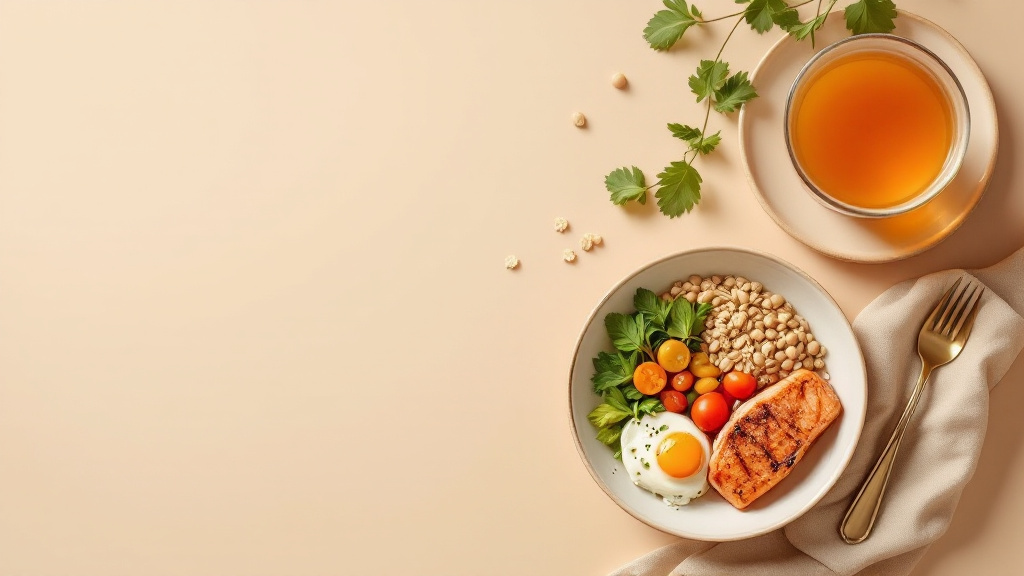
If one thing earns the "best appetite suppressant" title, it's protein. When you eat it, your gut releases the fullness hormones GLP-1, PYY and CCK that tell your brain you've had enough. A meta-analysis of controlled human trials found protein lowered hunger and the desire to eat and raised fullness, tracking with those gut hormones.1 Practical version: put protein first at every meal — eggs, fish, Greek yogurt, lean meat, beans — and the urge to keep eating gets quieter on its own.
"The best appetite suppressant isn't sold in a bottle — it's the fullness system you already own, turned up with protein, fiber, volume and sleep."
#2 — Viscous (soluble) fiber
Fiber is the runner-up, and the type matters. Viscous, gel-forming soluble fiber — the kind in oats (beta-glucan), beans, psyllium and konjac (glucomannan) — absorbs water and forms a gel that slows how fast your stomach empties, so fullness lasts longer. A systematic review found soluble fiber reduced energy intake and appetite far more than insoluble fiber.2 This is why a bowl of oatmeal or a plate built on beans and vegetables holds you where a refined, fiber-stripped meal doesn't. Aim to get fiber from whole foods first; a viscous-fiber supplement is a reasonable add-on, not a magic bullet.
#3 — Water & volume (low energy density)
Your stomach registers how much you ate, not just the calories. Foods with high water content — soups, fruit, vegetables, potatoes — take up space and stretch the stomach, signalling fullness for very few calories. That's the concept of energy density, and it was one of the three properties that tracked with satiety when researchers measured how filling common foods were.3 A broth-based soup or a big salad before a meal is a genuinely effective, calorie-cheap way to take the edge off appetite.
#4 — Sleep (the one everyone skips)
Short sleep is a hidden appetite amplifier. In a randomized crossover trial, cutting sleep short increased sweet-taste preference, appetite and food intake in healthy adults.4 No supplement offsets a chronic sleep deficit — protecting 7–9 hours is one of the most underrated appetite tools there is, and it makes every other lever above work better.
Try triGLP
triGLP is bioactive salmon protein hydrolysate in clean, sublingual drops — a dietary supplement made to support the natural GLP-1 fullness signaling your body already uses.
Get triGLP// ships from the official ORYGN storefront · dietary supplement · not a drug · results vary
The truth about OTC "appetite suppressant" pills
Walk the supplement aisle and you'll see dozens of pills promising appetite control. Two honest cautions:
- Most rely on stimulants or thin evidence. Caffeine and stimulant blends can blunt appetite short-term but bring jitters, sleep disruption (which backfires on appetite4) and tolerance. Many "proprietary blend" ingredients have little human data at the doses used.
- Some are dangerously spiked. The FDA repeatedly finds weight-loss and "appetite suppressant" products sold as supplements that are secretly laced with hidden prescription drugs — including sibutramine, a banned stimulant that can raise blood pressure and heart rate.5 The label says "all natural"; the lab says otherwise.
The takeaway isn't "all supplements are bad" — it's be skeptical of any pill promising to melt appetite, favor products with transparent ingredients and honest structure/function claims, and build the free levers above first.
Where salmon peptides fit
The through-line under every lever above is your body's own GLP-1 fullness pathway — the signal protein raises and steady, fiber-rich meals support. That's exactly the pathway bioactive salmon peptides (salmon protein hydrolysate) are studied for: in laboratory studies, salmon-derived peptides activated the GLP-1 and GIP receptors involved in satiety,7 and food proteins and their hydrolysates are an active area of GLP-1 research for exactly this reason.6 So the idea behind a supplement like triGLP is to support the same fullness signaling that protein and fiber work on — a food-derived nudge, not a drug and not a replacement for the levers above. It's one honest tool in the stack, with transparent ingredients. See our natural appetite suppressant and foods that keep you full pages for more.
How strong is the evidence?
- Protein suppresses appetite — strong. Human meta-analysis: protein lowers hunger and raises fullness via GLP-1/PYY/CCK.1
- Viscous/soluble fiber — strong. Systematic review: soluble fiber cuts energy intake and appetite more than insoluble.2
- Water/volume & sleep — supportive to strong. Low energy density tracks with satiety;3 short sleep raises appetite.4
- OTC pills — weak, sometimes unsafe. Thin evidence overall, and the FDA keeps finding hidden drugs in this category.5
- Salmon peptides on the GLP-1 pathway — early. Real laboratory receptor activity;7 supportive, not proof of an appetite effect in you.
The honest limits
No food, supplement, or pill "suppresses" appetite on command — it's a system that varies a lot person to person. The strongest, safest evidence sits with the boring free stuff: protein, viscous fiber, water/volume, sleep. Be wary of any product promising dramatic appetite loss, and never assume "all natural" means drug-free — the FDA can only test a fraction of what's sold.5 Salmon-peptide research on the GLP-1 pathway is genuinely interesting but early (mostly laboratory studies). Salmon peptides are a dietary supplement, not a medicine — they don't diagnose, treat, cure, or prevent any condition, and won't override appetite on their own. Anyone with a fish allergy should avoid them. If appetite feels impossible to control or is tied to a medical condition, talk to a clinician — this page is educational, not medical advice. Results vary.
Common questions
What is the most effective appetite suppressant?
Not a pill — protein. In controlled trials it lowers hunger and raises fullness by boosting your own GLP-1, PYY and CCK signals. Pair it with viscous (soluble) fiber, water-rich low-calorie foods, and 7–9 hours of sleep, and you're using the four inputs with the strongest, safest evidence. Results vary.
Do over-the-counter appetite suppressant pills work?
Most have weak evidence and lean on stimulants (which can disrupt sleep and backfire on appetite). More importantly, the FDA repeatedly finds weight-loss and appetite products secretly spiked with hidden prescription drugs like sibutramine. Favor transparent ingredients and honest structure/function claims, and build the food-and-sleep levers first. Results vary.
What foods are natural appetite suppressants?
High-protein foods (eggs, fish, Greek yogurt, lean meat, beans), viscous-fiber foods (oats, beans, psyllium, konjac), and high-water, low-calorie foods (soups, fruit, vegetables). They work by raising fullness hormones, slowing digestion, and filling the stomach for few calories. Results vary.
Does fiber really suppress appetite?
Soluble, viscous fiber does — it forms a gel that slows stomach emptying and prolongs fullness, and a systematic review found it reduces energy intake and appetite more than insoluble fiber. Oats, beans, psyllium and konjac (glucomannan) are good sources. Get it from whole foods first; a supplement is an add-on, not a magic bullet. Results vary.
How do salmon peptides fit as an appetite suppressant?
They're studied because, in laboratory studies, salmon peptides activated the GLP-1 and GIP receptors involved in satiety — the same pathway protein and fiber support. So they're positioned to support natural fullness signaling as a dietary supplement with transparent ingredients, not to work like a drug or replace the food-and-sleep levers. The science is early; results vary.
Is it safe to suppress your appetite?
Gently supporting fullness with protein, fiber, volume and sleep is safe for most people and just helps you feel satisfied on less. Forcing appetite down with stimulants or unverified pills is where the risk is. If your appetite feels uncontrollable, is tied to a medical condition, or you're considering a suppressant while pregnant, nursing, or on medication, talk to a clinician first. Results vary.
References
- Effect of short- and long-term protein consumption on appetite and appetite-regulating gastrointestinal hormones: a systematic review and meta-analysis of randomized controlled trials. (PubMed/NIH). pubmed.ncbi.nlm.nih.gov/32768415
- Unravelling the Effects of Soluble Dietary Fibre Supplementation on Energy Intake and Perceived Satiety in Healthy Adults: Evidence from a Systematic Review and Meta-Analysis of Randomised-Controlled Trials. Nutrients (PMC/NIH). ncbi.nlm.nih.gov/pmc/articles/PMC6352252
- A Satiety Index of common foods. Holt SHA, et al. Eur J Clin Nutr. 1995;49(9):675–690 (PubMed/NIH). pubmed.ncbi.nlm.nih.gov/7498104
- Acute Sleep Curtailment Increases Sweet Taste Preference, Appetite and Food Intake in Healthy Young Adults: A Randomized Crossover Trial. (PMC/NIH). ncbi.nlm.nih.gov/pmc/articles/PMC7071396
- Avoiding Products Contaminated with Hidden Ingredients / Tainted Weight Loss Products. U.S. Food & Drug Administration (FDA.gov). fda.gov/drugs/medication-health-fraud/avoiding-products-contaminated-hidden-ingredients
- Glucagon-like peptide-1 regulation by food proteins and protein hydrolysates. Review, 2021 (PubMed/NIH). pubmed.ncbi.nlm.nih.gov/33461642
- Initial Exploration of the In Vitro Activation of GLP-1 and GIP Receptors and Pancreatic Islet Cell Protection by Salmon-Derived Bioactive Peptides. Marine Drugs, 2024;22(11):490 (PMC/NIH). ncbi.nlm.nih.gov/pmc/articles/PMC11595994